Knowledge & capacityView portfolio

    AI Resilience

    Practical AI resilience for people and the organisations they work in.

    “AI changes the work. People decide whether it works.”

    Grounded in cyberpsychology research and fifteen years across international, independent organisations.

    See the three pillarsLinkedIn
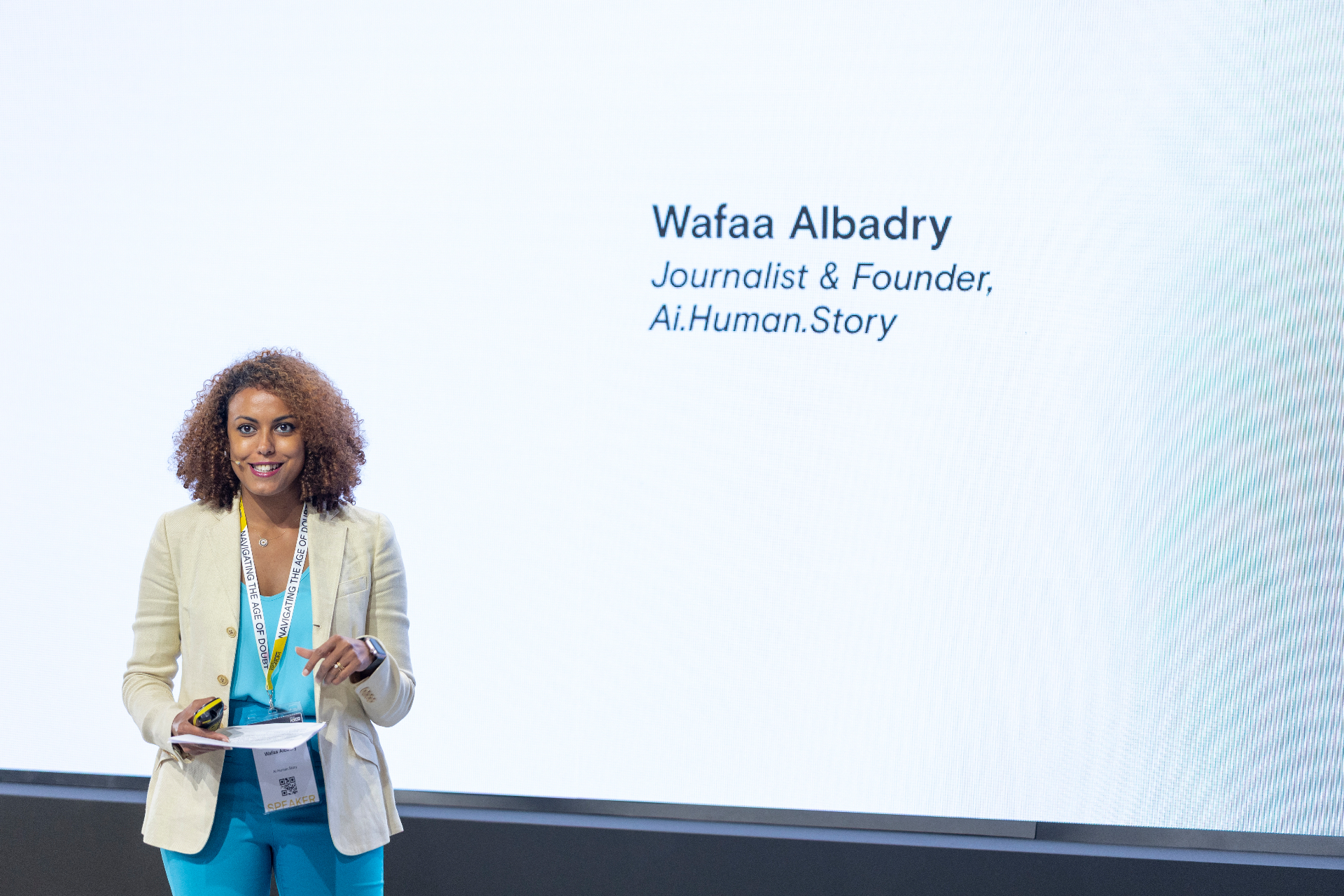
    Wafaa Albadry delivering a training session

    From the soul to the system

    “AI changes the work. People decide whether it works.”

    The soul

    Human agency, mental bandwidth and integrity.

    The system

    Culture, workflows and sound governance.

    01

    Resilience & Psychological Safety

    Human agency over AI anxiety, burnout and impostor feelings.

    What is AI anxiety and why does it affect knowledge workers?

    AI anxiety is the stress response that arises when people perceive automation as a threat to their professional identity or job security. It is particularly acute in knowledge workers — writers, communicators, researchers, analysts — because generative AI tools can now produce the same text forms these professionals spend years mastering. Future Kit names this pressure directly and gives participants frameworks for reclaiming professional confidence rather than suppressing the discomfort.

    What is the impostor phenomenon and how does generative AI trigger it?

    The impostor phenomenon is the persistent feeling of being a fraud despite documented competence. Research from Wafaa Albadry's MSc thesis (IADT Dublin, 2026) found that generative AI can activate or intensify impostor feelings: when a tool produces comparable output in seconds, professionals question whether their skill was ever real. The training addresses this directly.

    Who is this training for?

    Journalists, editors, communications professionals, content leads, researchers, HR teams and anyone whose work involves writing, research or knowledge creation. It suits both individuals navigating personal career transitions and full teams at media organisations, NGOs, corporates and communications departments.

    Is this therapy or clinical support?

    No. This is professional training grounded in applied cyberpsychology research. Participants leave with practical frameworks and a personal action plan, not therapeutic outcomes.

    What does "human agency" mean in this context?

    Human agency means the ability to make deliberate choices about whether, when and how to use AI — rather than feeling compelled by competitive pressure to use it by default. The training builds the reflective capacity to treat AI as a tool under your control rather than an authority to defer to.

    02

    Applied Workflows & Practical AI

    Hands-on AI craft with the human in the loop.

    Which AI tools does this training cover?

    The session covers tools matched to each team's specific workflows. Commonly included: ChatGPT and Claude for drafting and summarisation, Perplexity AI for real-time fact-checking, Whisper for audio transcription, and tools relevant to your sector and language environment. The selection is adapted to your organisation.

    Do participants need technical or programming skills?

    No programming background is required. Participants need a laptop and access to free-tier versions of the tools covered. Everything is demonstrated and practised in working scenarios built during the session.

    What does "human in the loop" mean in practice?

    It means every AI-assisted output passes through a human decision before it is shared, published or acted upon. In practice: verify AI-generated summaries against primary sources, check AI translations with a native speaker, apply professional judgement to AI-suggested angles before accepting them.

    Can this training be tailored to a specific function or sector?

    Yes. Sessions can be adapted for communications, research, HR, content production, legal drafting support, newsletters and more. Contact Future Kit to discuss your team's specific workflows before booking.

    03

    Responsible AI Ethics & Governance

    Putting the EU AI Act, UNESCO and OECD principles into daily practice. Practical governance, not legal advice.

    What does the EU AI Act require from my organisation?

    The EU AI Act classifies AI systems by risk level and sets obligations accordingly. For most organisations, the most relevant requirements concern disclosure of AI-generated or AI-manipulated content, prohibition on synthetic voice or image generation of real individuals without consent, and transparency requirements for AI systems used in recruitment or customer-facing decisions. The training translates these into checklists and policy templates teams can implement without legal fluency.

    Is this training relevant for organisations outside the EU?

    Yes. The EU AI Act has extraterritorial reach: any organisation whose AI systems affect EU residents is within scope, regardless of where the organisation is based. For organisations in the Middle East and Africa, the UNESCO framework and OECD AI Principles provide the governance anchors. The session draws on all three frameworks.

    What does my organisation produce at the end of this session?

    A governance checklist tailored to your tools and workflows, a draft disclosure policy, and a set of operational red lines. These are working documents — most organisations use them as the starting point for internal sign-off and legal review.

    Do we need our legal team present?

    This training provides operational governance guidance, not legal advice. For organisations with AI systems that fall into the EU AI Act's high-risk categories, legal review of the policies you draft is appropriate.

    Advisory assessment

    AI Psychological Safety & Readiness Diagnostic

    A clear read on team culture and workflows: can people disclose AI use, flag its errors and keep human oversight in place?

    How long does the diagnostic take?

    Two to three weeks from intake to results session. This includes an intake call, a structured team survey (30 to 45 minutes per participant), individual interviews and a results session where the written report and action plan are presented.

    What does the written report cover?

    Psychological safety levels around AI disclosure; workflow mapping showing where AI is in active use; governance gaps against EU AI Act requirements; and a prioritised action plan with recommendations for training, policy development and culture change.

    Who should commission this diagnostic?

    Editorial directors, HR leads, communications heads and senior leadership teams who are planning an AI adoption programme or know that AI use is happening informally without oversight.

    Is the data from the diagnostic confidential?

    Yes. Survey responses and interview data are aggregated before being reported. Individual responses are not attributed by name. Data is not retained after the results session.

    Tell me where your team stands. We start there.